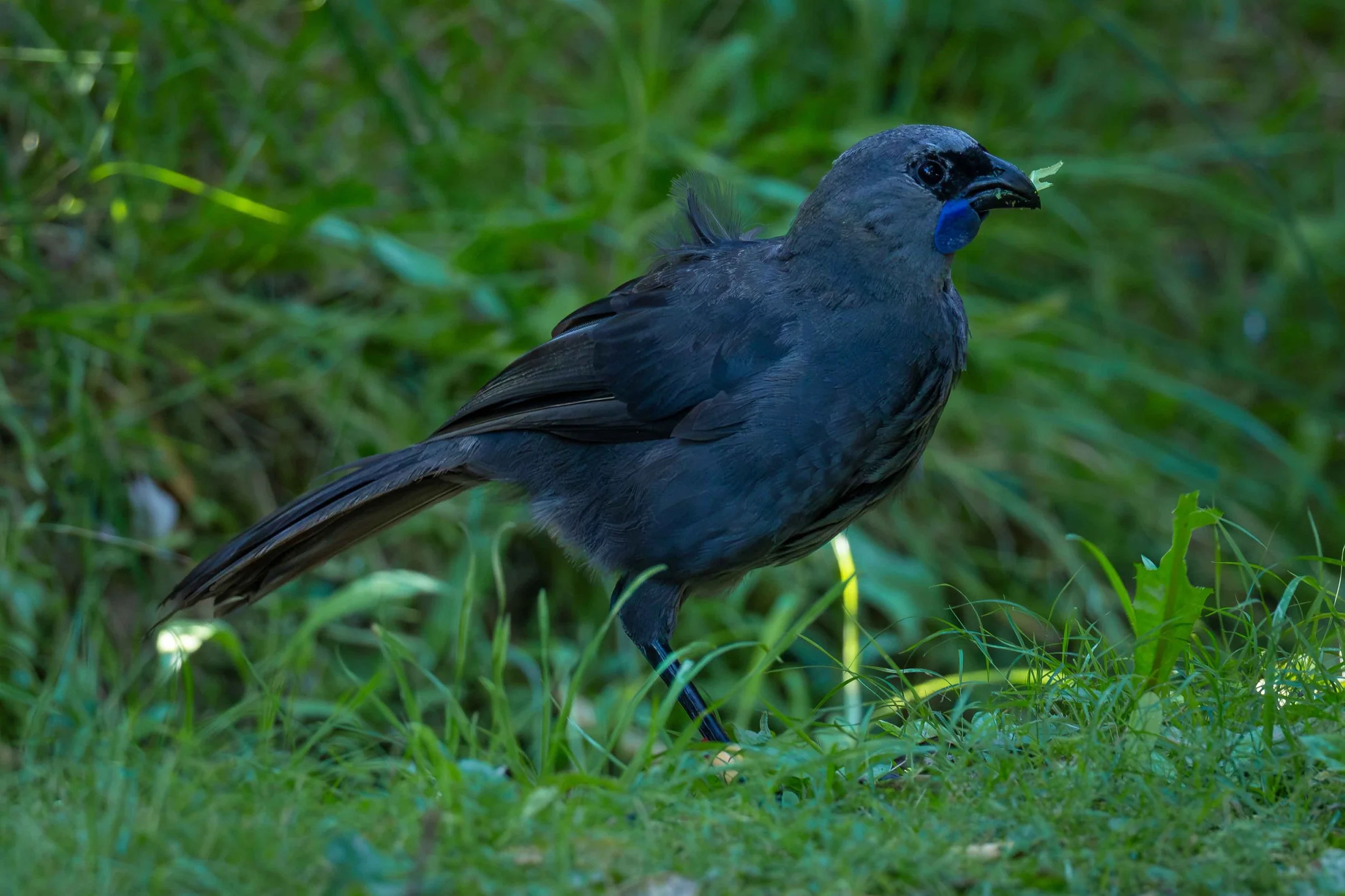
Photographing the Takahe on Tiritiri Matangi Island, New Zealand
The South Island takahē are among New Zealand's most treasured conservation success stories. Once thought to be extinct and re-discovered in 1947, these remarkable flightless birds now thrive in protected locations such as Tiritiri Matangi Island, offering wildlife photographers a rare opportunity to capture one of the country's most iconic species.
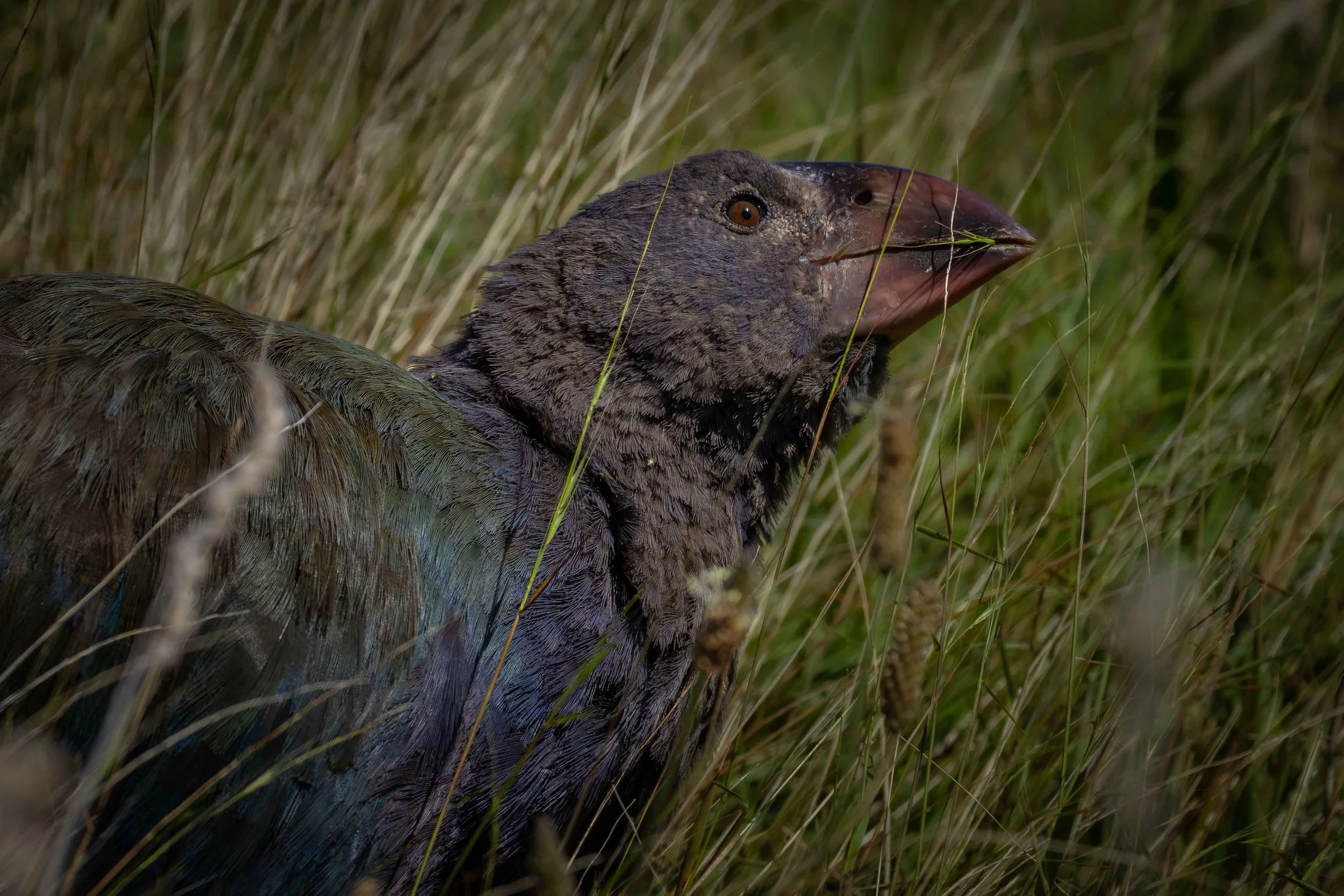
Tiritiri Matangi Island is a photographer's paradise. Just a short ferry ride from Auckland, the island is a predator-free sanctuary filled with native birds and regenerating forest. The takahē are surprisingly approachable and can often be seen feeding in open grassy areas.
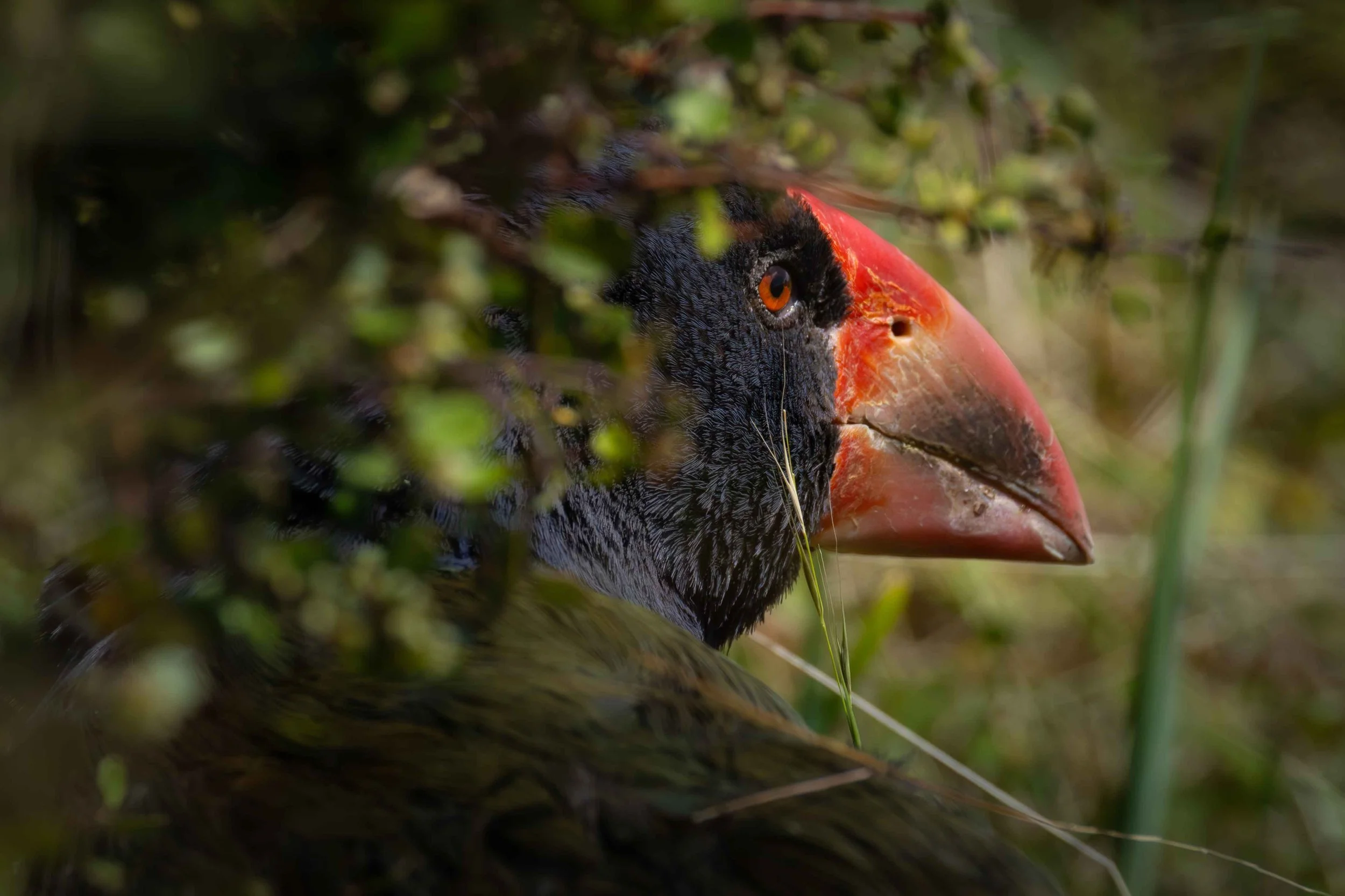
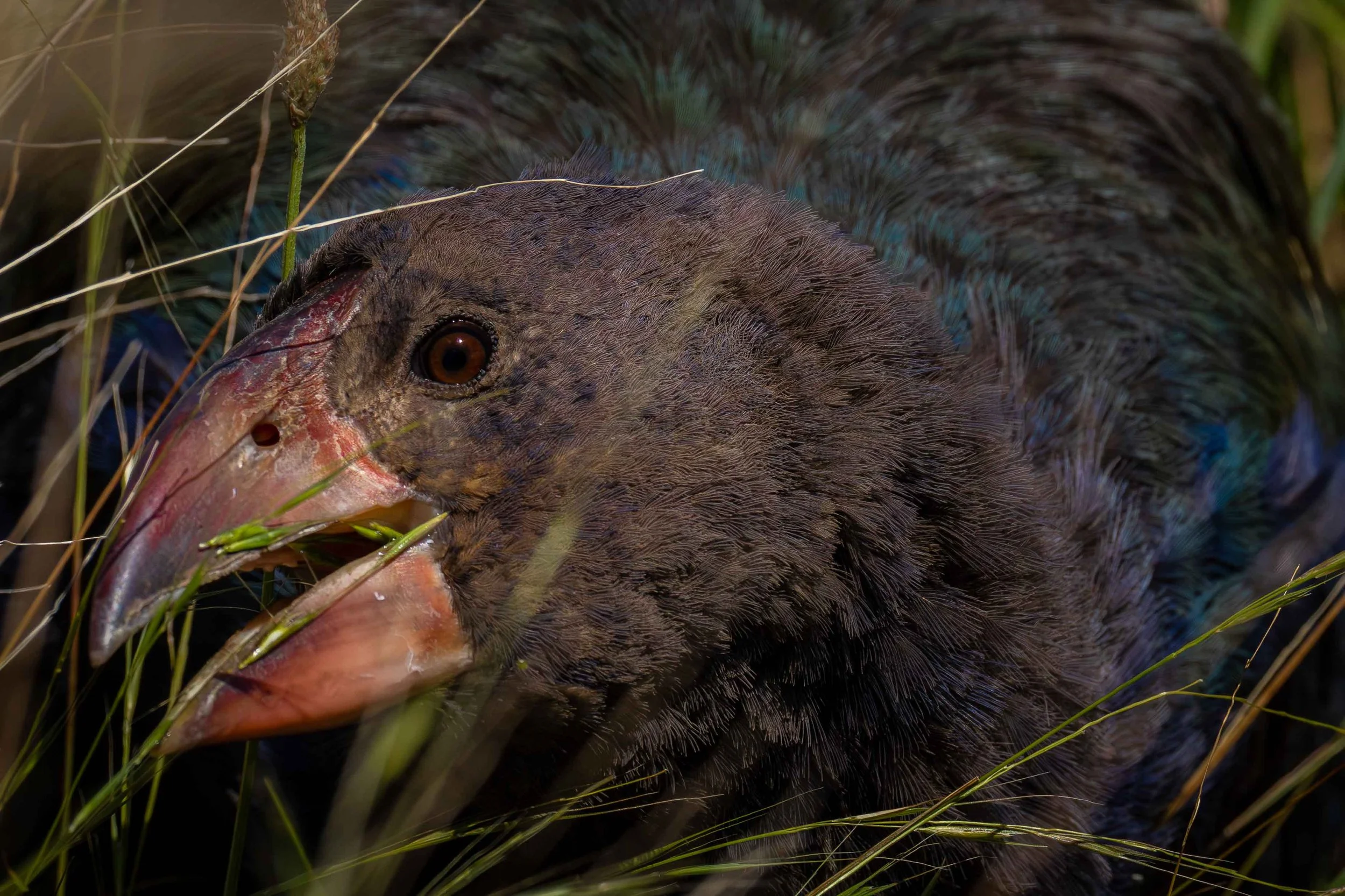
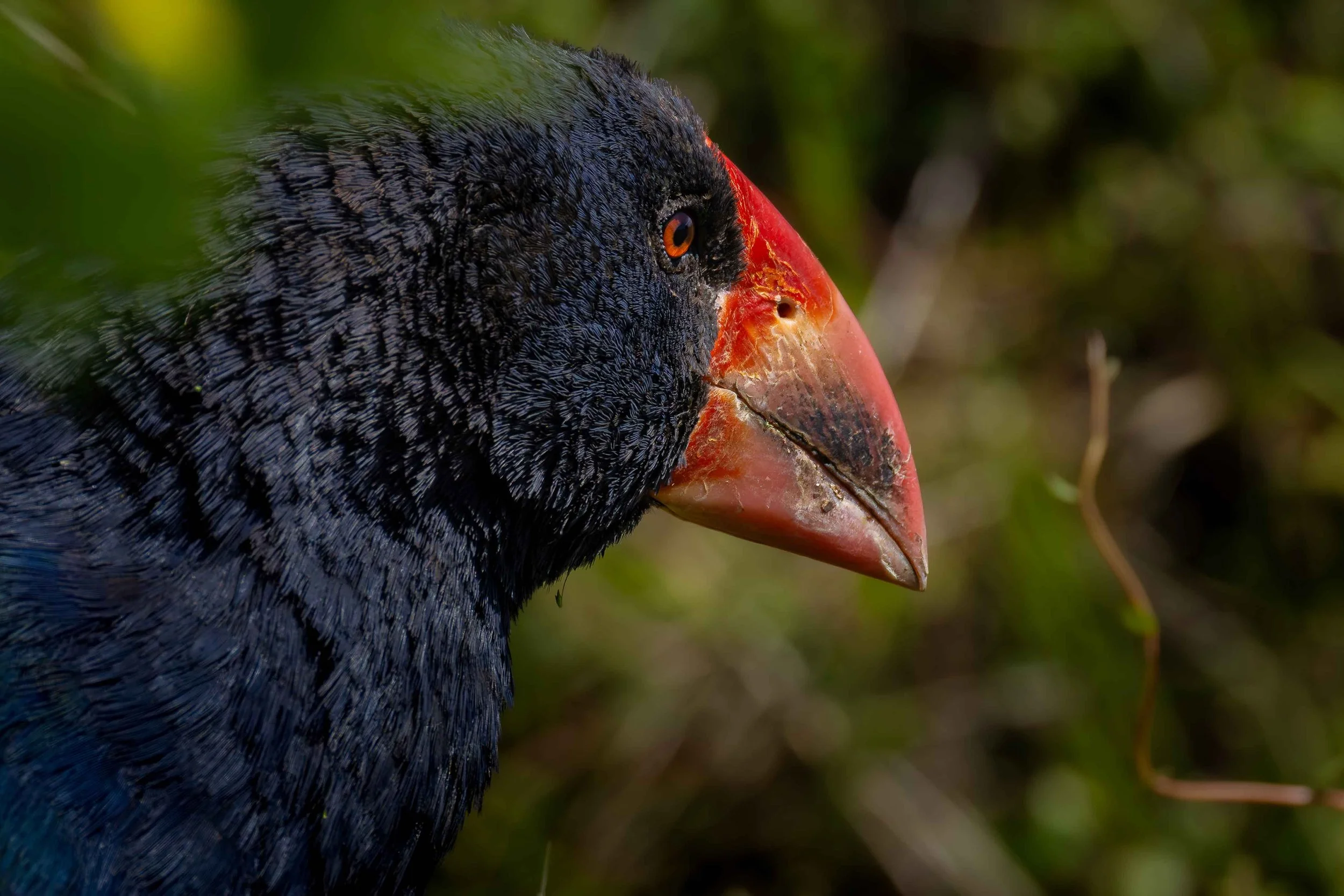
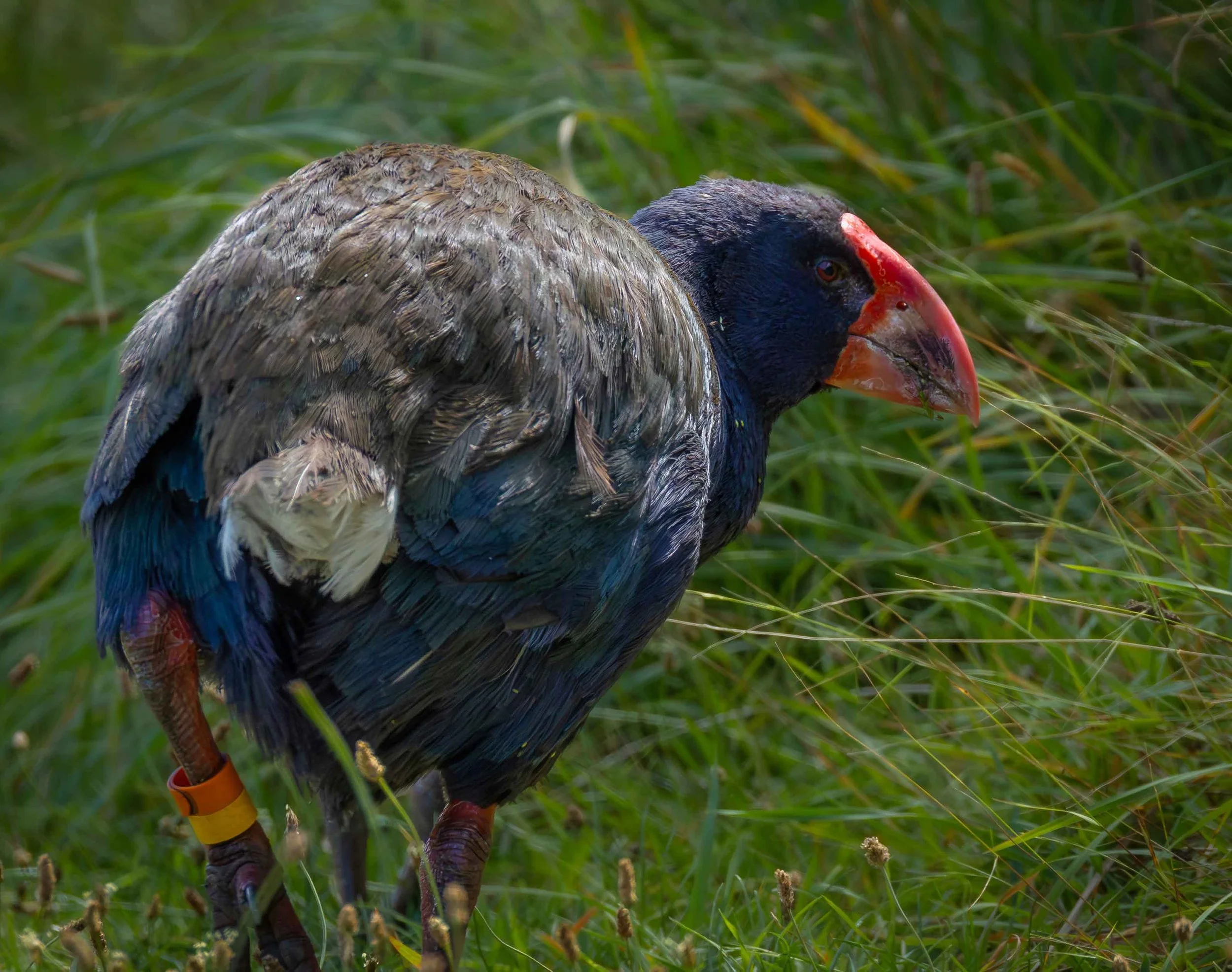
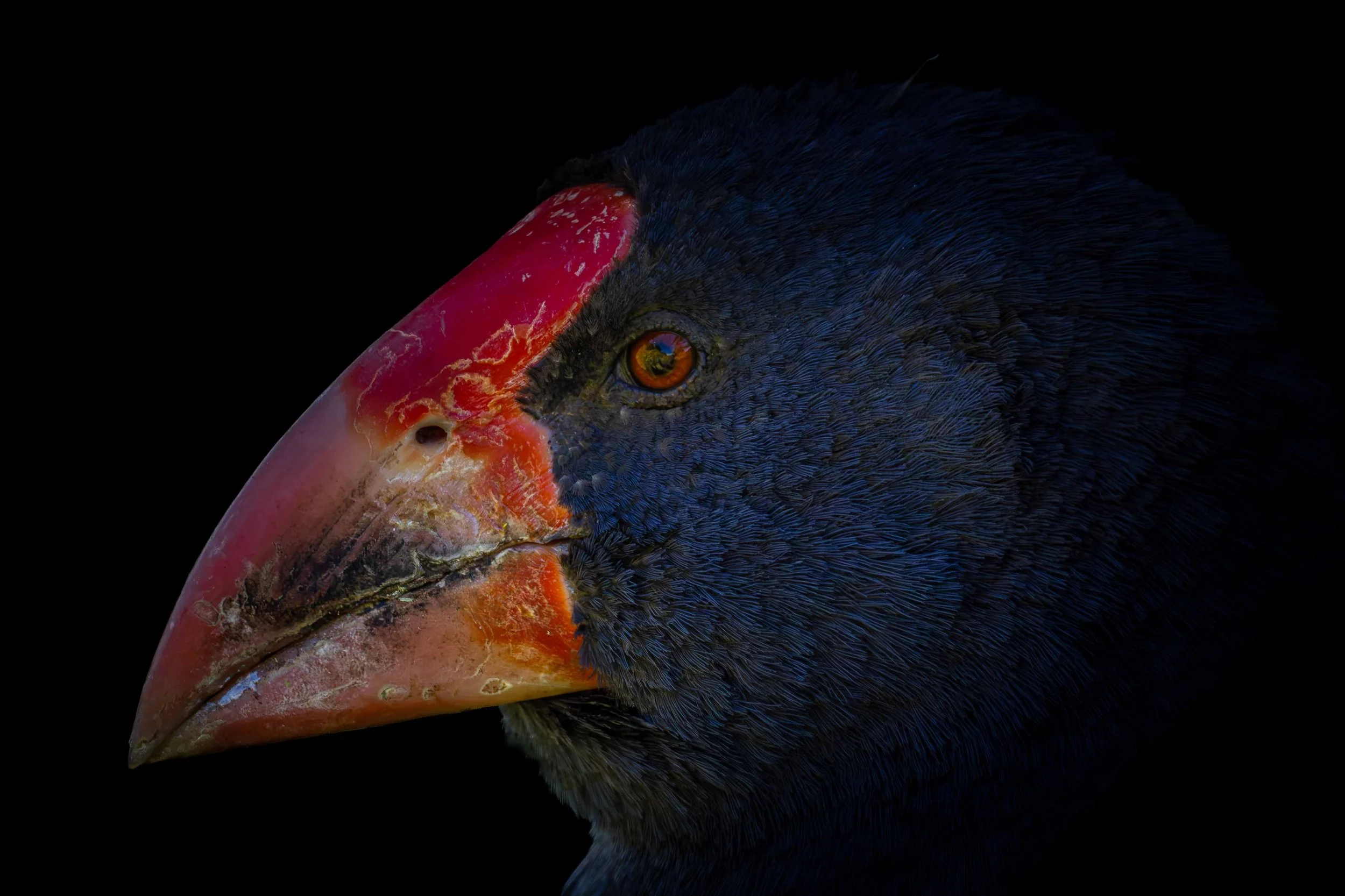
The takahē's striking appearance makes it a captivating subject. Its deep blue and emerald-green plumage contrasts beautifully against the island's lush vegetation, while its bright red beak adds a splash of colour that immediately draws the eye. Early morning and late afternoon provide the best light, producing soft, warm tones that enhance the bird's vivid colours and reveal fine feather detail.
Patience is key when photographing takahē. Spend time watching their behaviour and wait for moments of interaction, such as feeding, calling, or tending to chicks. Keeping a respectful distance and allowing the birds to behave naturally often results in the most authentic and compelling images.
Photographing a takahē on Tiritiri Matangi Island is more than simply capturing a beautiful bird; it is an opportunity to document one of New Zealand's greatest conservation achievements.
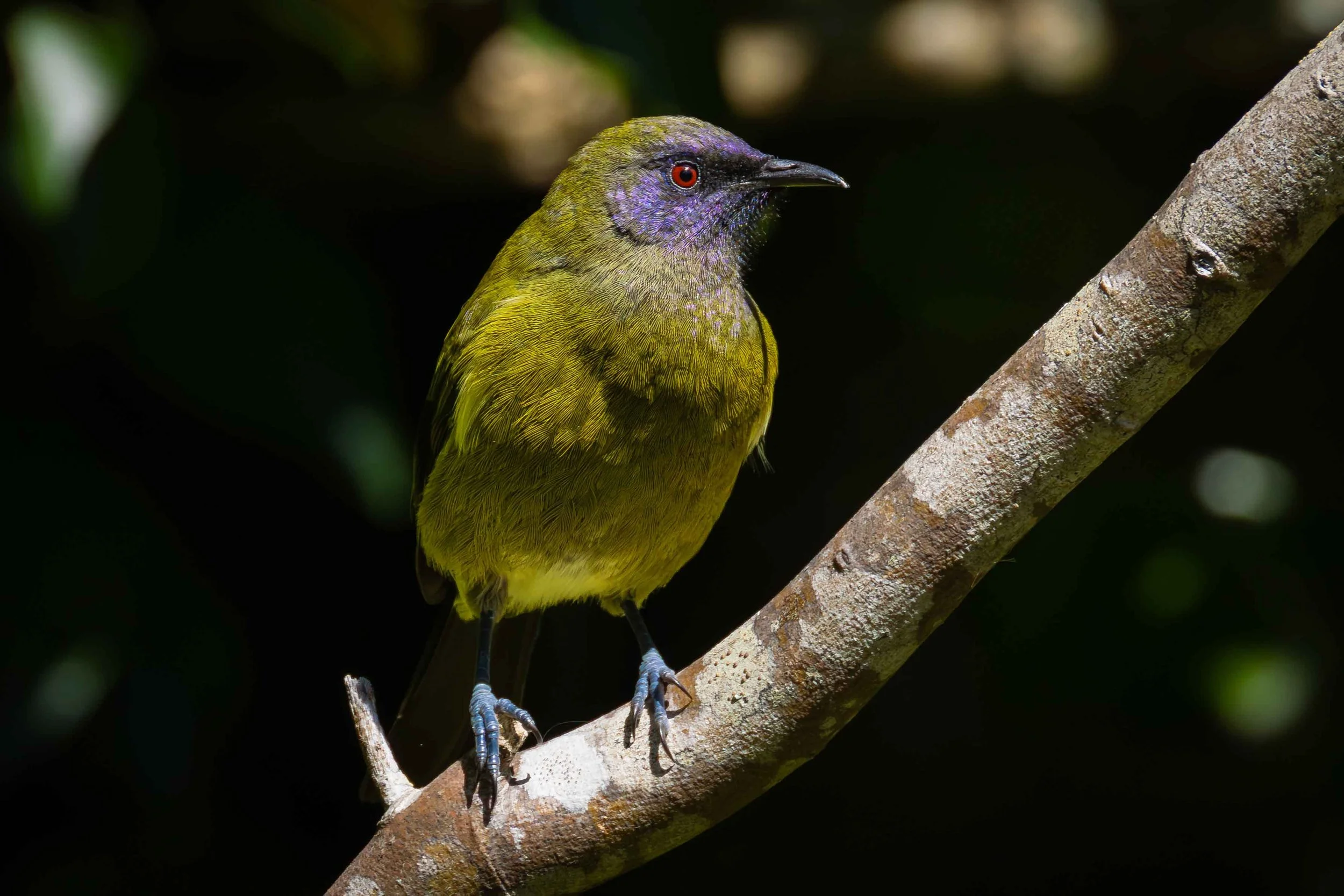
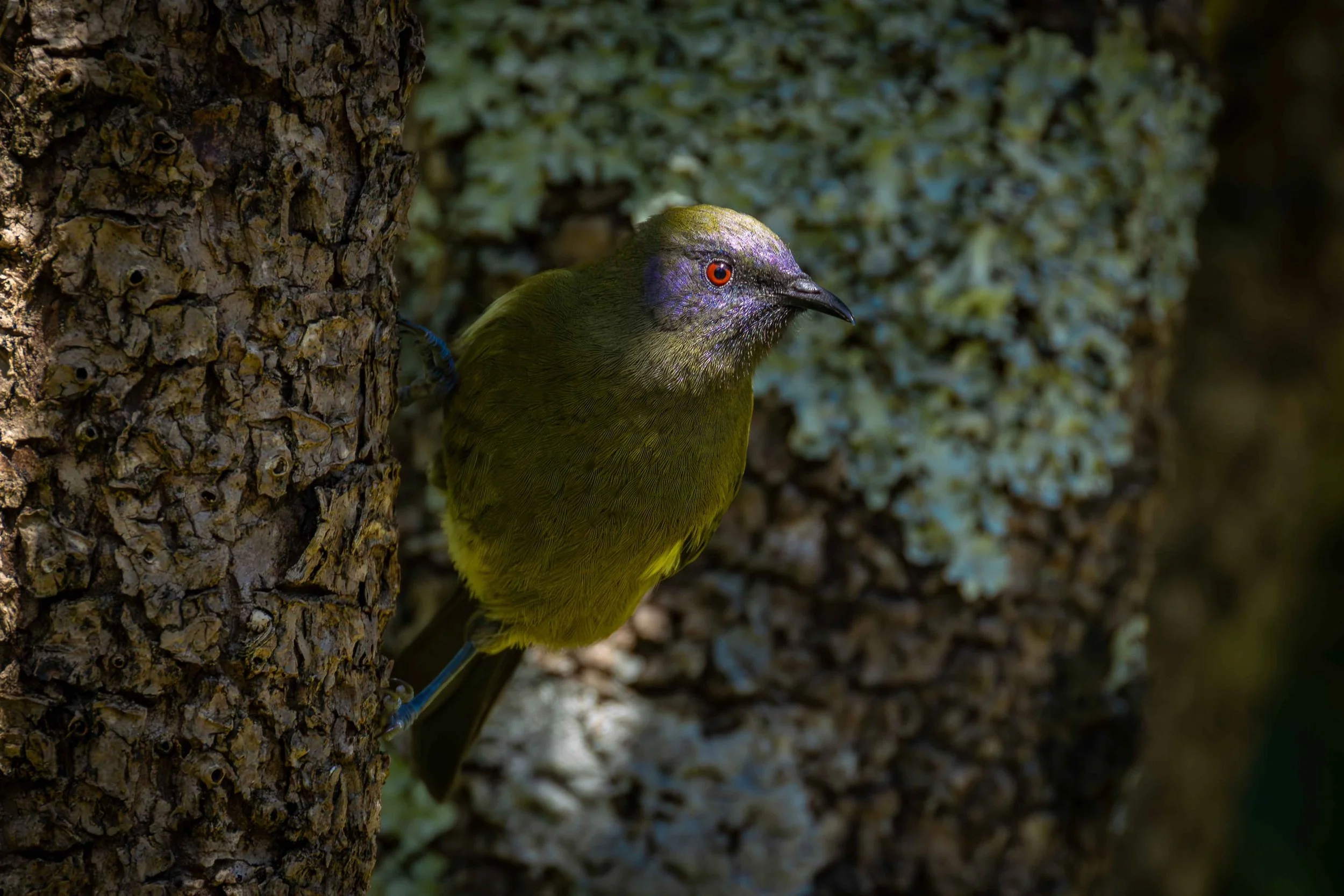
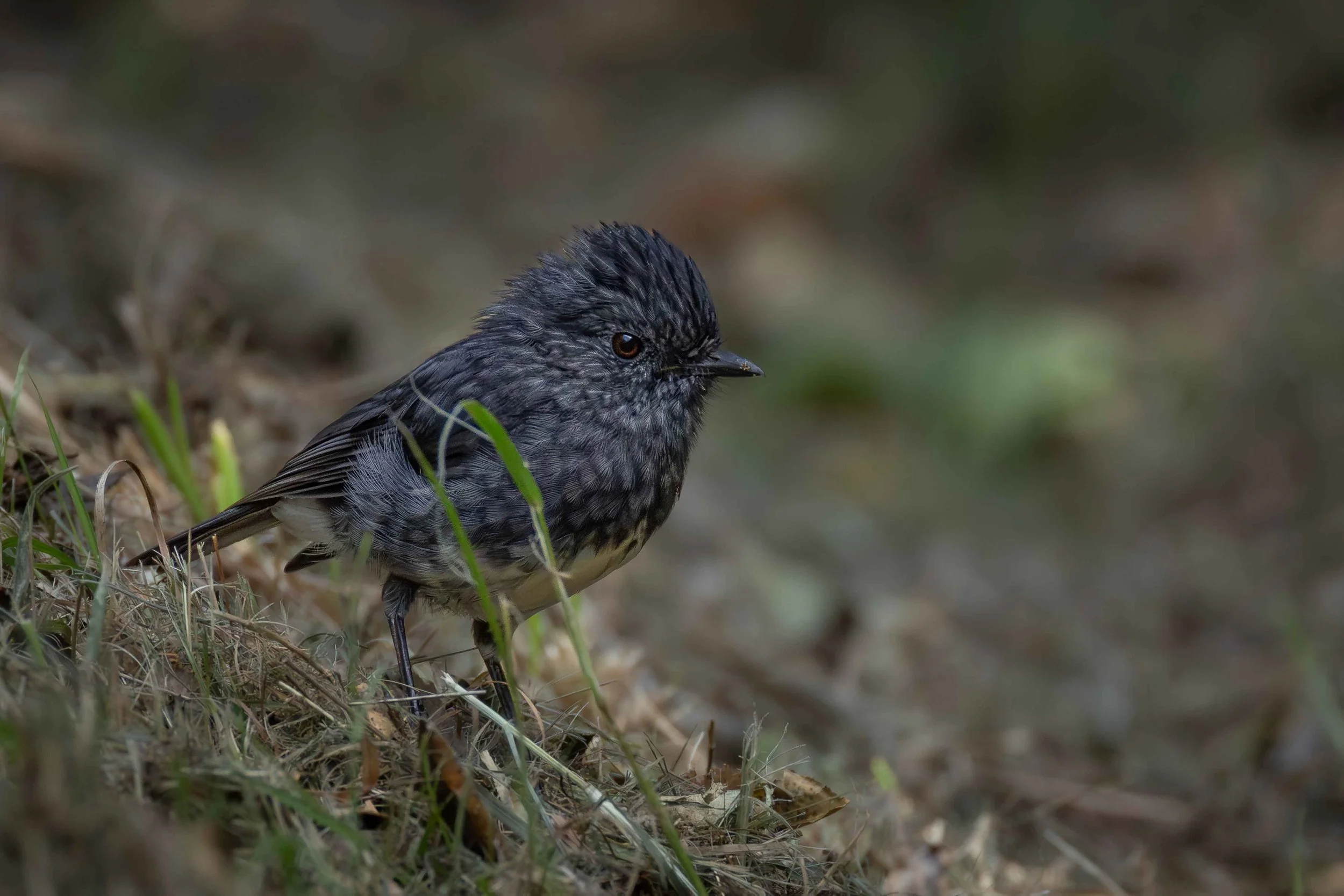
I was lucky enough to capture these images below of the Takahe Bird with my Canon R5mkii camera and a 200-800mm lens, using aperture priority setting. I have nicknamed this the ‘Jurassic’ bird of New Zealand. I have included a couple more of the native birds that can be seen on the Island.