Photographing the Oldest Human Race on earth the San People
The Kalahari Through Ancient Eyes: Photographing the San People
As a photographer, I have always been drawn to stories written in the land itself – the kind that don’t just unfold in front of the lens, but reach back thousands of years behind it. That pull is what took me into the winter vastness of the Namib Desert: four nights in sub‑freezing temperatures, huddled in a two‑man tent, in pursuit of a people often described as the oldest human race on earth – the San.
The desert at night has a way of stripping life down to essentials. The cold feels sharper when the only barrier between you and the elements is a thin sheet of nylon. I remember the silence most: not an empty silence, but one that seemed to listen back. Every star felt closer. Every breath turned to a brief ghost of white in the air. That harshness was part of the journey, part of the respect I felt I owed to the land the San have called home for millennia.
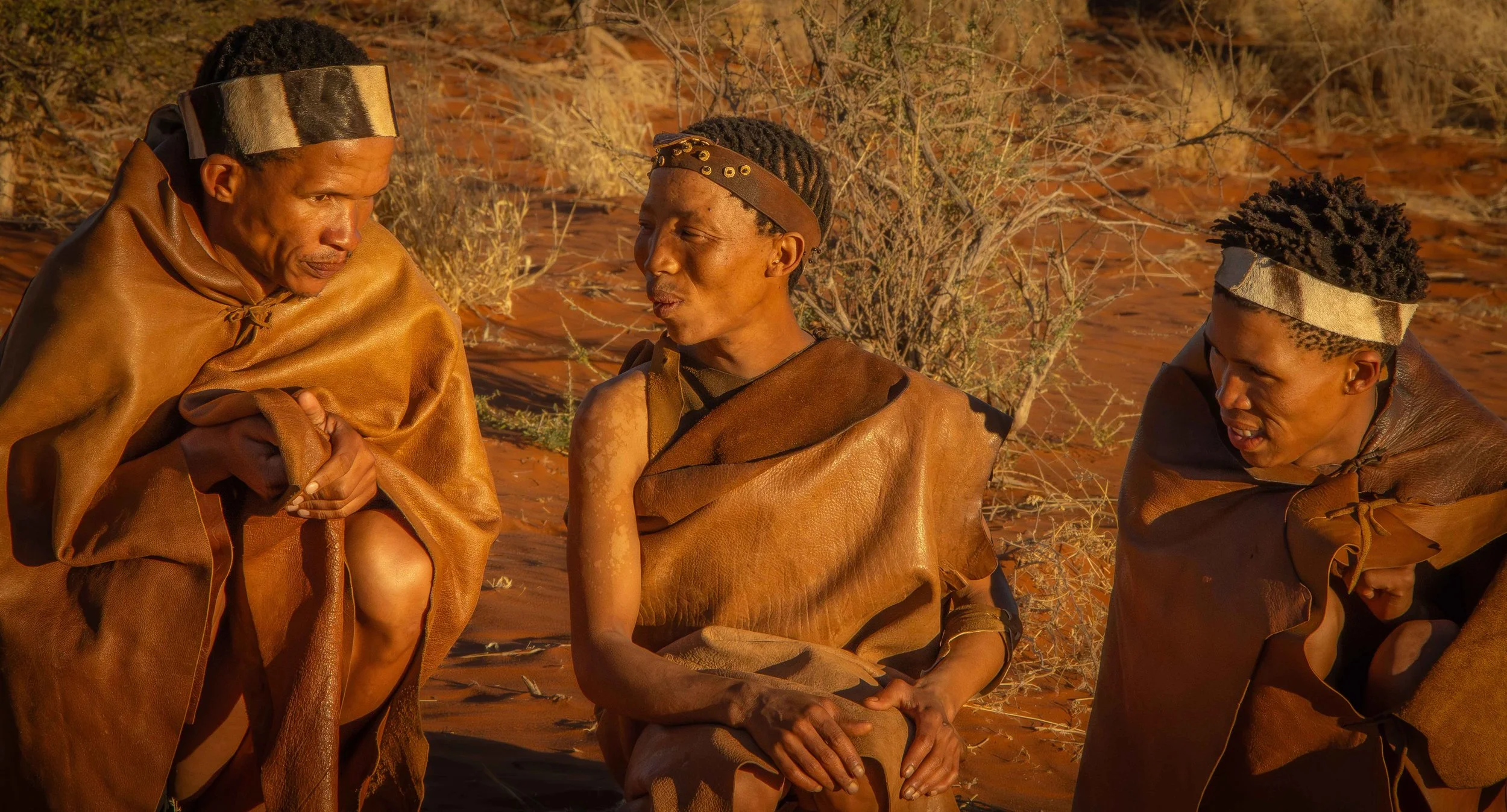
Meeting them, camera in hand, I felt an unusual mix of purpose and humility. These were not just subjects; they were living links to a human story that began long before any of our modern borders or identities. The San have carried their knowledge of the Kalahari through countless generations – how to read the faintest animal tracks, how to find water where there appears to be none, how to live in rhythm with a place most would consider uninhabitable.
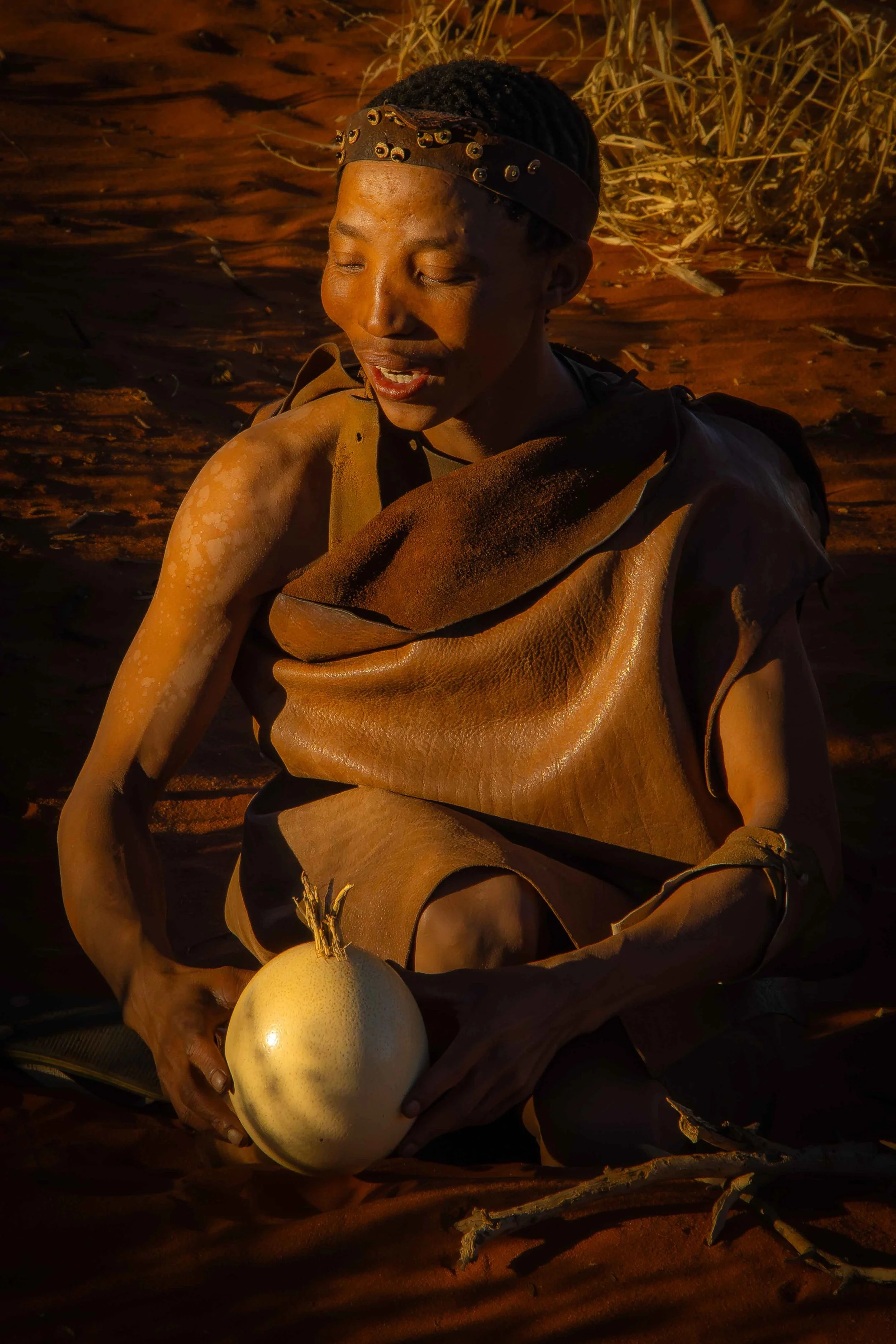
What captivated me most, though, were their spiritual beliefs. For the San, the desert is not empty – it is alive with presence and meaning. Rock formations, wind, animal movement, even silence itself can be part of a conversation between the seen and the unseen. Their trance dances, healing rituals, and stories around the fire are not just traditions; they are ways of holding the world together, of acknowledging that life is more than what the eye can immediately see.
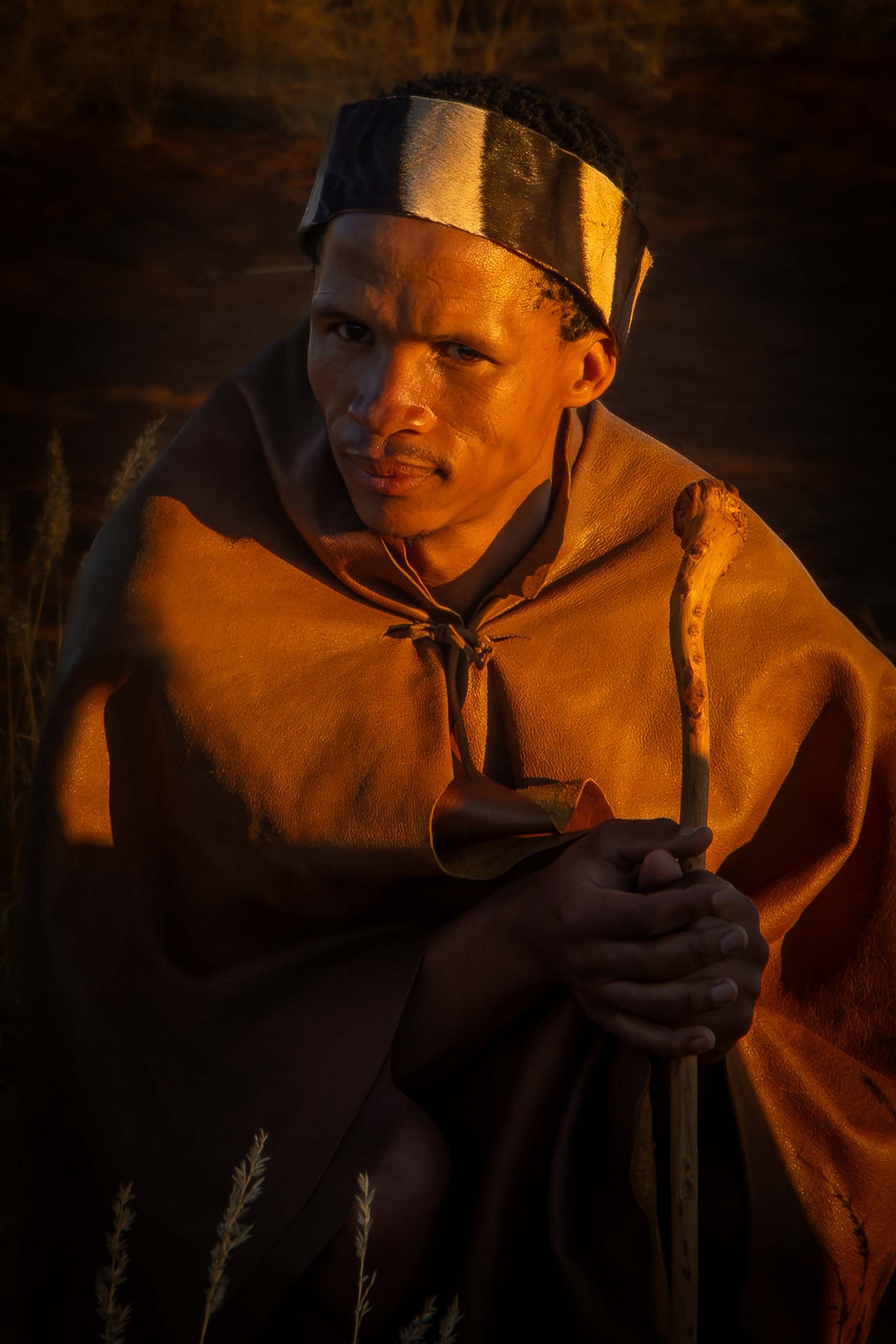
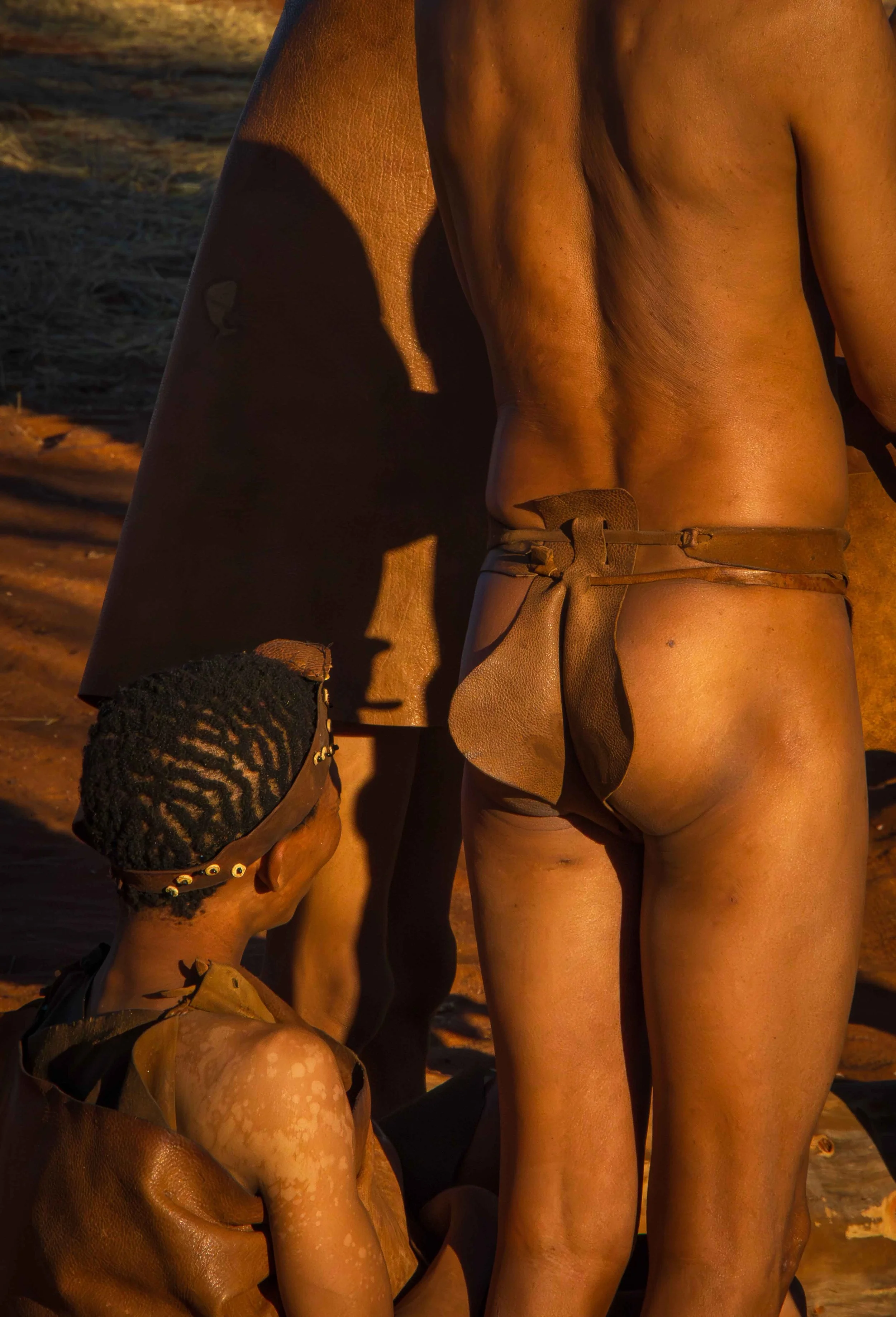
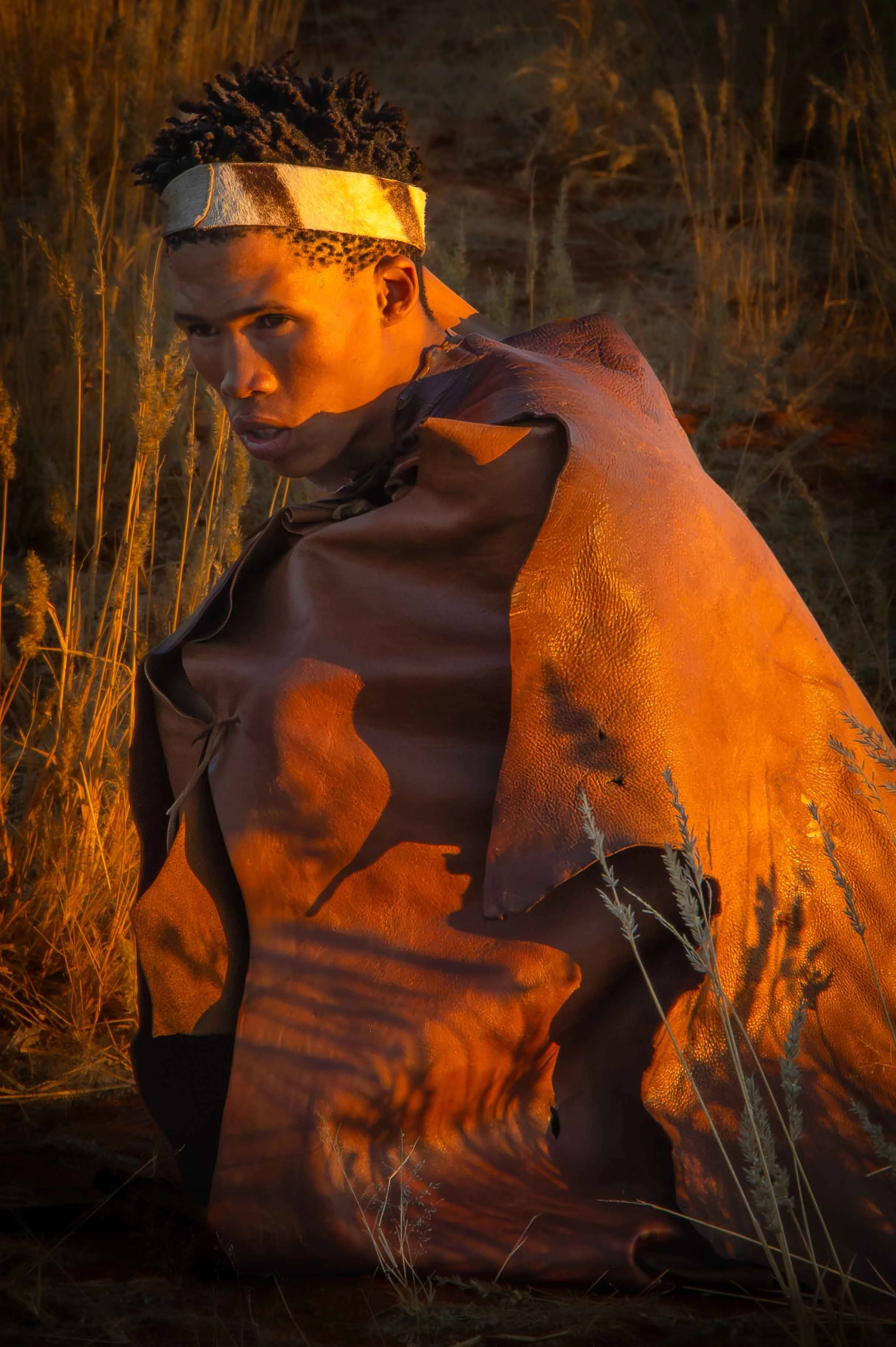
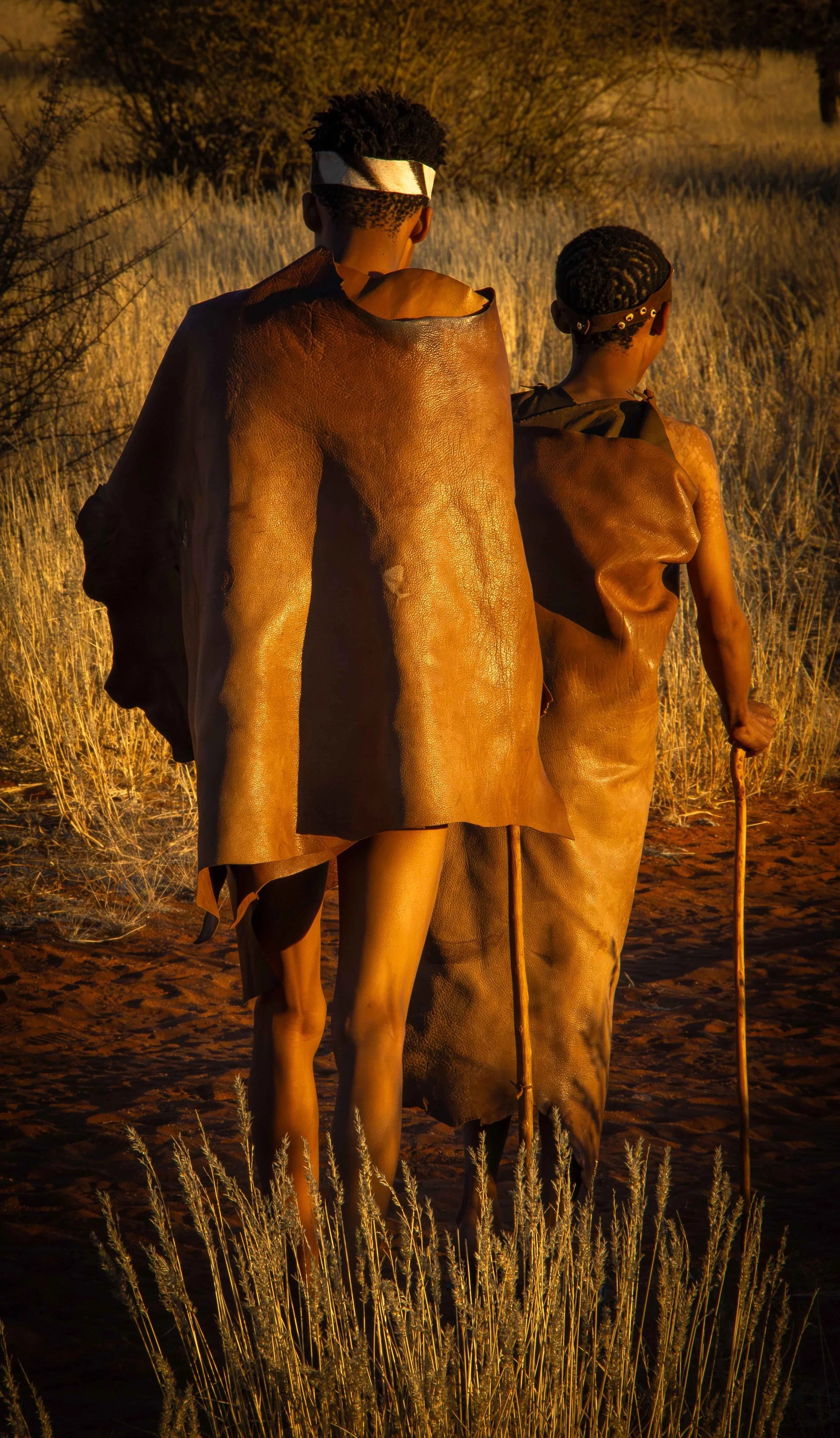
As I photographed them – the lines in their faces, the gestures of their hands, the way they moved across the sand as if walking inside a memory – I felt my own understanding of time shift. The beautiful soft early morning winter sun radiated the red colours of the Kalahari Desert on their faces, seeming to blend into the sand grains of the Kalahari Desert. This was truly a magical moment to cherish forever.
My aim was never to romanticize or freeze them in some imagined past. Instead, I wanted to create images that honor their dignity and depth, that show the San not as relics of history but as fellow humans whose wisdom about land, community, and spirit speaks powerfully to our restless, hurried age.
The Kalahari, through their eyes, is not just a desert. It is a living text – harsh, beautiful, sacred. And for a photographer, there is no greater privilege than to be allowed, briefly, to photograph the San.