10 Essential Tips when going on an African Photo Safari
An African safari is one of the most rewarding experiences a photographer can have. From dramatic landscapes and breathtaking sunsets to intimate wildlife encounters, every game drive presents a new opportunity to capture extraordinary moments. However, photographing wildlife is very different from photographing landscapes or city life. Preparation, patience, and the right mindset can make all the difference.
Whether you're a first-time safari guest or returning for another adventure, these ten tips will help you make the most of your photographic African safari.
1. Bring the Right Camera Gear
You don't need the most expensive equipment, but having the right tools is important. A DSLR or mirrorless camera with fast autofocus is ideal. Pack a telephoto lens (at least 100–400mm & possibly a x1,4 teleconverter for a full frame camera to extend your reach) for wildlife, along with a wider lens (14-35mm) for landscapes, astro photography and (24-105) for other shots.
Don't forget:
Extra batteries and plug adaptors for your charges
Spare memory cards and a back-up SSD (like a SanDisk Pro)
A lens cleaning kit
A beanbag for stabilising your camera on the safari vehicle. You can travel with an empty bean bag, which is light and easy to pack. Once you get to your destination you can fill the bean bag with uncooked rice or dry river sand which you can empty when packing at the end of your Safari.
Camera backpack 35l or 40l
2. Learn the basics of your Camera Before You Arrive
A safari isn't the place to figure out how your camera works. Wildlife moments can happen in seconds, and you won't have time to search through menus.
Become comfortable with the following start off Manual Setting:
Set ISO on Auto
Set your Shutter speed to a minimum of 1/800sec. For fast moving subjects like birds, use a minimum of 1/1200s or faster.
Keep your aperture value as low as you can go on your telephoto lens f6-f9
Auto Tracking Focus AF-SERVO.
Eye tracking, if your camera has the function.
Drive Mode - Shooting in burst mode (20 frames a second or whatever your camera can handle)
The more familiar you are with your camera, the more you'll enjoy the experience.
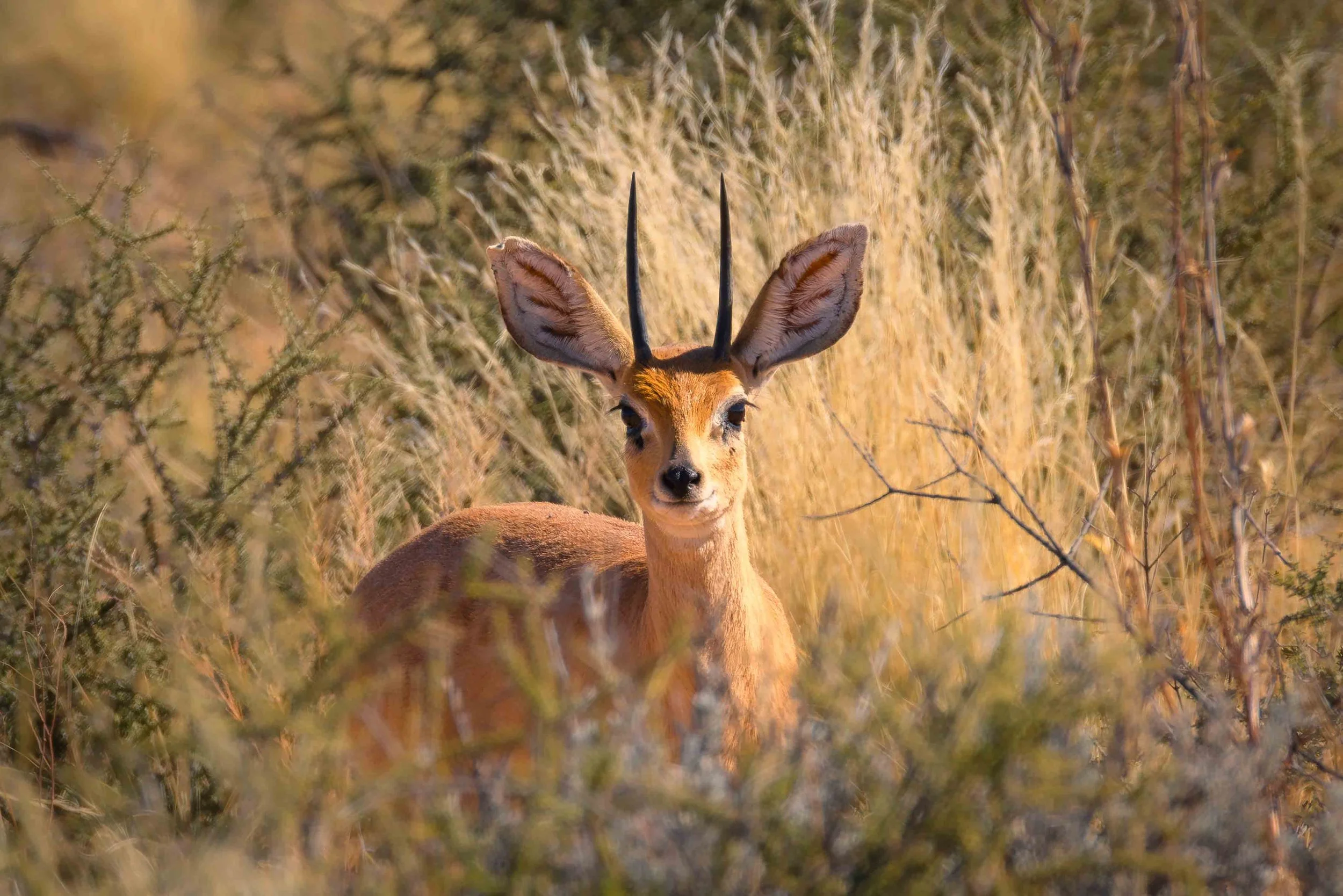
3. Anticipate the shot.
Animals rarely stay still for long. Birds take flight, predators chase prey, and elephants constantly move as they feed. Learn as much as you can of basic animal behaviour.
Tip, sit next to your Safari Guide whenever you get the chance and ask as many questions as you can. Listen to your Guide who will tell you what to expect.
Position yourself with the sun behind you or at time backlight scenes especially at sunrise can make fantastic photographs.
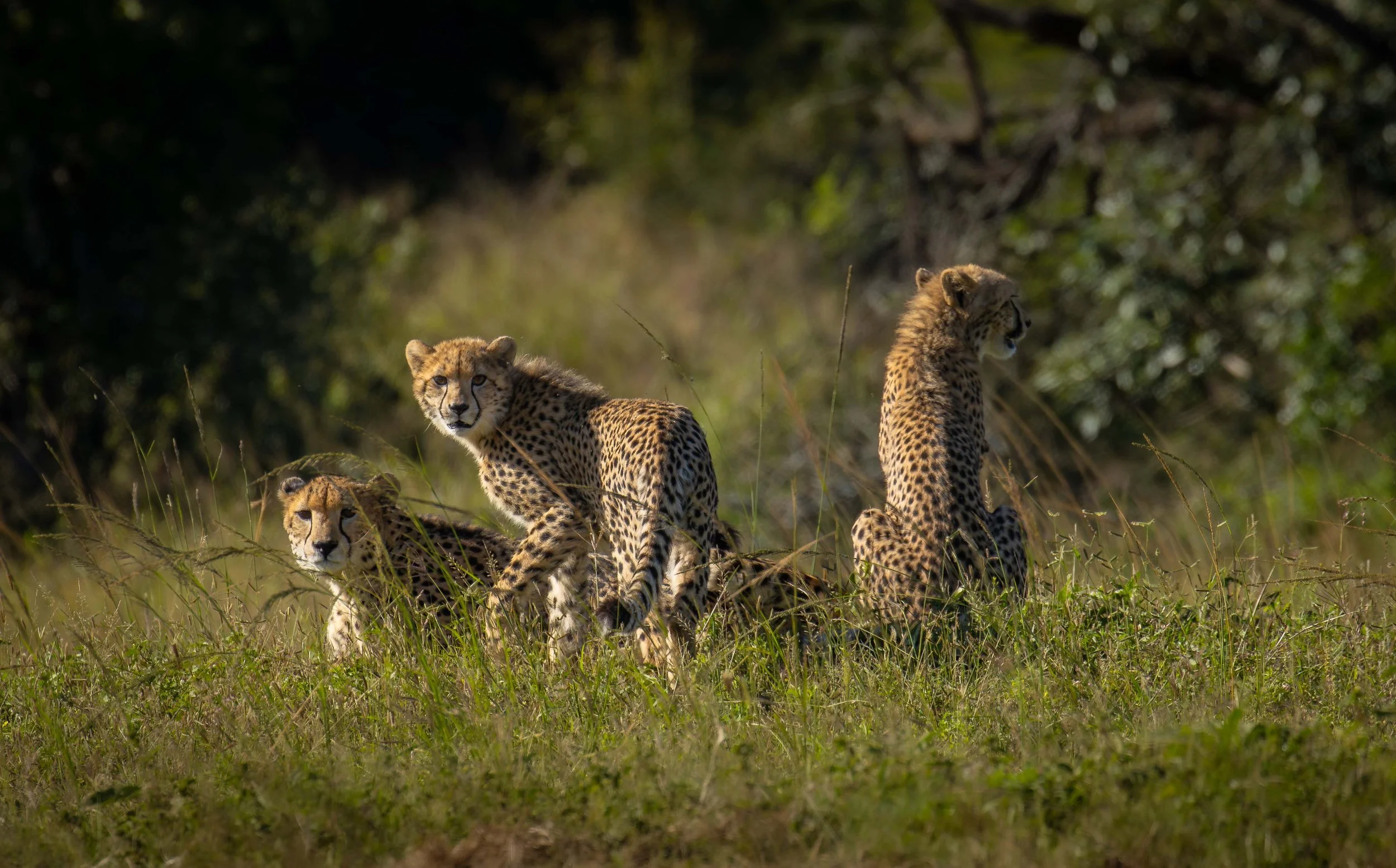
4. Make the Most of Golden Hour
All Game Drives are held early before Sunrise and late in the afternoon. The first and last hours of daylight offer the most beautiful lighting on safari. The warm, low-angle sun creates rich colours, soft shadows, and incredible atmosphere.
Early morning often provides:
Active wildlife
Cooler temperatures
Calm conditions
Beautiful sunrise colours
Late afternoon offers equally stunning opportunities as the sun begins to set across the African plains. Waterholes are a must before sunset as most Animals come down to quench their thirst after a long hot day.
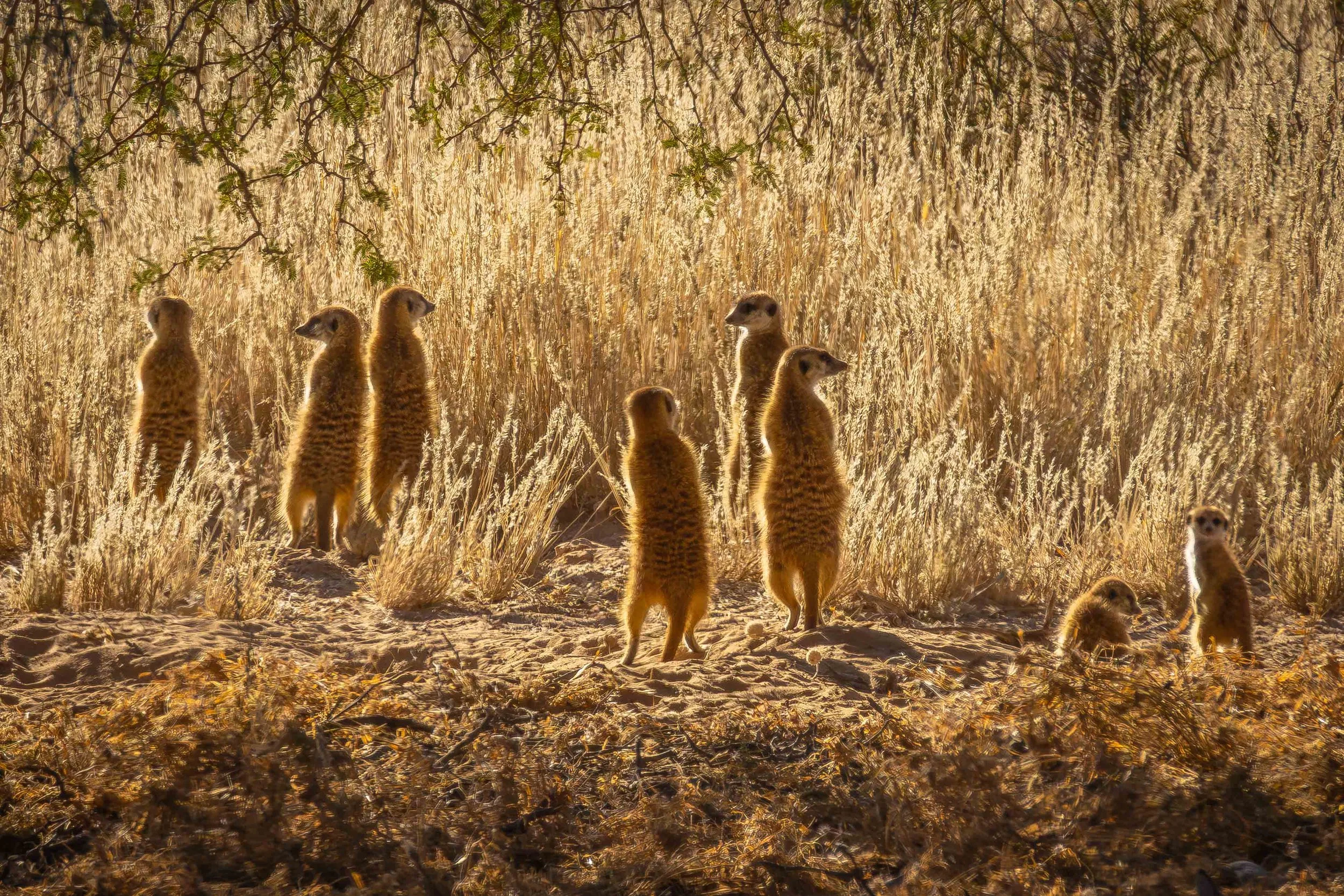
5. Be Patient
Wildlife photography is all about patience. Sometimes you'll wait an hour for the perfect moment, only for it to happen in a split second.
Rather than constantly searching for the next animal, take time to observe behaviour. The longer you watch, the better you can anticipate action and capture unique moments.
Waterholes and hides are ideal loactions to sit and wait patiently for Animals to arrive.
Patience often rewards photographers with their most memorable images.
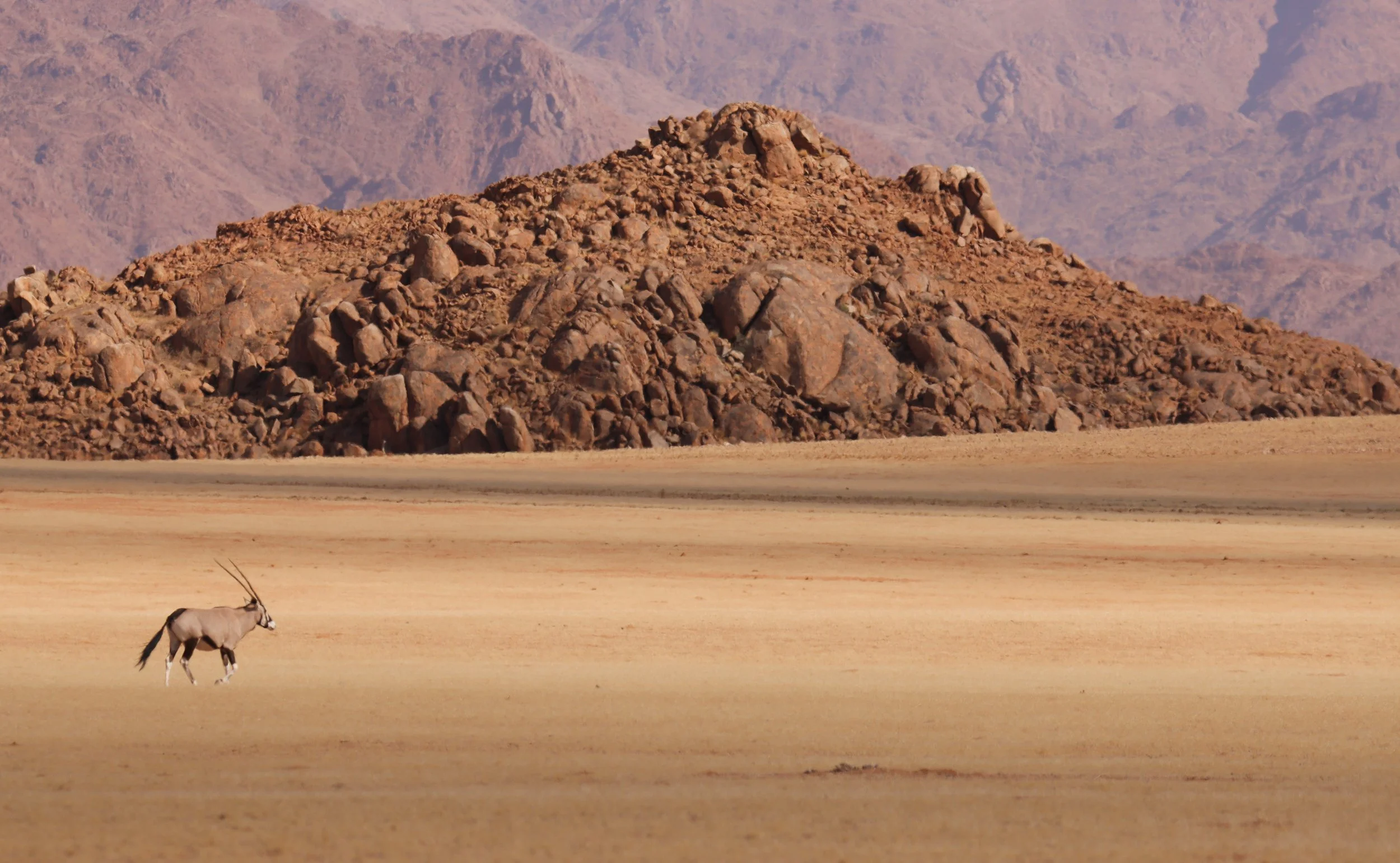
6. Tell a Story, Not Just a Portrait
A new trend in Wildlife Photography is to include more of the environment around the Animal as part of your composition. This creates awareness of the environment and not invading the space of your subject. This gives a sense of your subject to move and ‘breathe’ in your image.
While close-up portraits are fantastic, they are overflooded on social media.
Photograph:
Animals interacting with each other
Wide landscape scenes
Dust trails behind elephants
Reflections in watering holes
Safari vehicles in the landscape
Local culture (where appropriate and with permission)
A collection of storytelling images creates a much richer memory of your journey.
7. Respect the Wildlife
The welfare of the animals always comes before the photograph.
Never ask your guide to disturb wildlife or get too close simply for a better shot.
Keep noise to a minimum, avoid sudden movements, and trust your guide's judgement. Ethical wildlife photography results in more natural behaviour and ultimately better images.
Please switch off the focus beep on your camera!
8. Pack for Dust
African safari vehicles often travel along dusty roads, and fine dust can quickly find its way into your camera equipment.
To protect your gear:
Keep cameras in a padded bag when not in use
Avoid changing lenses in dusty conditions
Use lens caps whenever possible
Carry a blower and microfibre cloth
A little care each day can save hours of cleaning later.
9. Don't Spend the Entire Safari Behind the Lens
It's tempting to photograph everything, but remember to experience the moment too.
Take a few images, then lower the camera and simply watch. Listen to the sounds, breathe in the fresh air, and appreciate the incredible wildlife around you.
Remember to make new friends, have a moment to laugh, a moment to have an afternoon siesta and sit under the stars around the campfire.
Some memories are best captured in your mind rather than on a memory card.
10. Be Flexible, Avoid Peak Season and Enjoy the Unexpected
Peak Safari Season is usually from May - August, (winter, dry season). It’s recommended that you try one of the shoulder seasons. (April or September). These periods still offer fantastic Game viewing but can include more dramatic skies with the changing colours of the seasons. You will find less Tourists and possibly cheaper rates at some of the Safari Lodges.
There are many more options than the Masai Mara or the Serengeti. Shop around before making your bookings. As an example, Zululand in South Africa offers some 5star Game Safaris that are affordable. Below I have included a link to a full Photo Safari Guide of Zululand (e-book download)
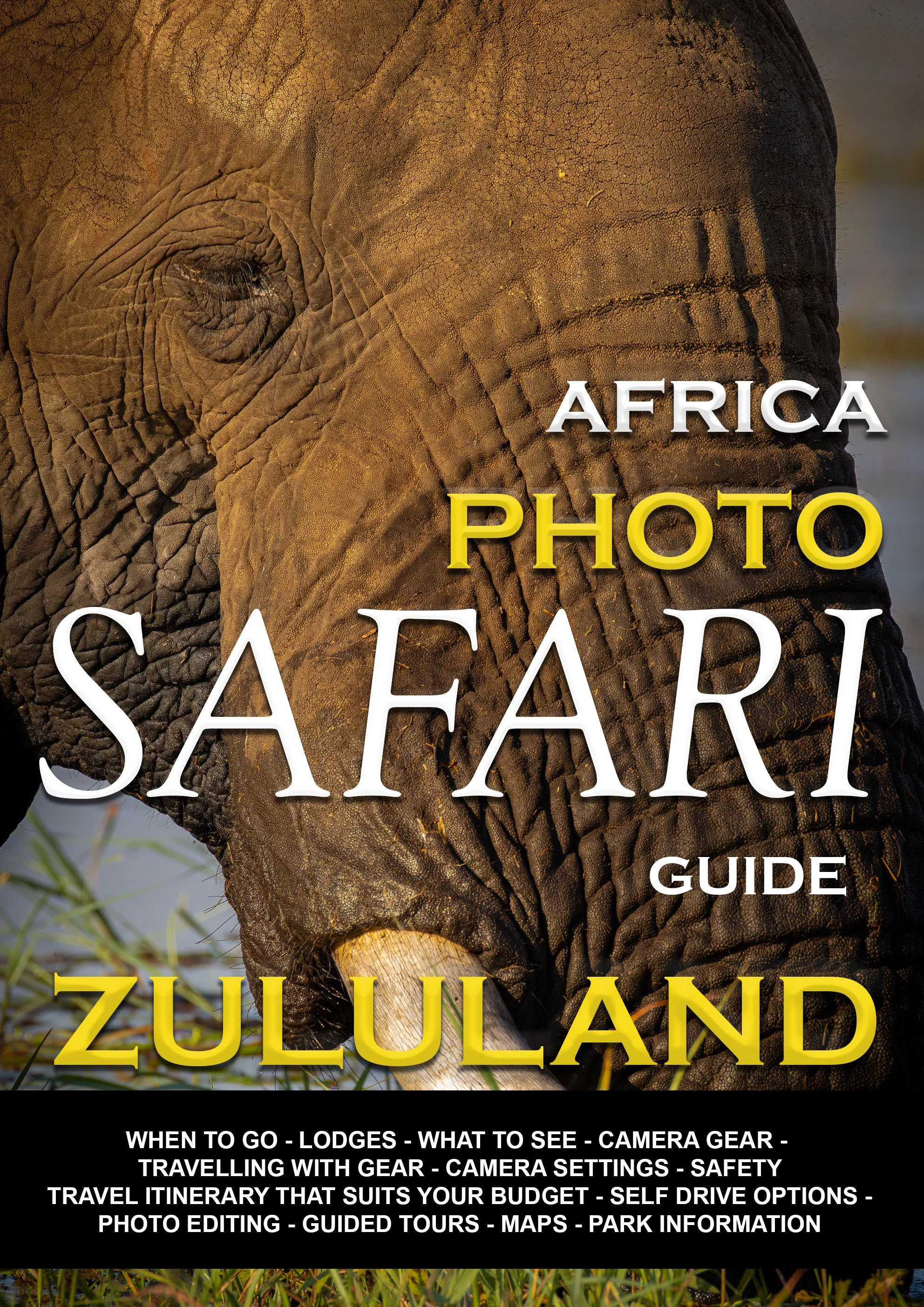
A downloadable eBook. A guide (eBook) to assist you in planning your next Safari, with options ranging from five-star luxury Safari Lodges to self-drive Safari options, safety travel tips, itineraries suiting your style and budget, Camera Gear, Camera Settings, Compositions, Photo editing, travelling & flying with camera gear, Must- see places to visit, Park information, Safari Lodge contacts and many more tips to make your next Safari to Zululand unforgettable.
No safari follows a script. Some days you'll spend hours tracking lions. Other days, the smallest creatures—a colourful kingfisher, a family of warthogs, or a curious mongoose—may become the highlight.
Weather, animal movements, and nature are unpredictable.
Embrace every opportunity, remain flexible, and celebrate every encounter. Often, the unexpected moments become your favourite photographs.
Final Thoughts
A photographic African safari is about much more than taking beautiful pictures. It's about connecting with nature, observing wildlife in its natural habitat, and experiencing one of the world's greatest wildernesses.
With the right preparation, a little patience, and an open mind, you'll return home with not only stunning photographs but unforgettable memories that will last a lifetime.
So charge your batteries, pack your camera, and get ready for the adventure of a lifetime. Africa is waiting.